Have you ever left a glass of iced water outside on a blistering summer day without a coozie? Was there any change? You may have noticed that in a short time, tiny droplets form on its outer surface. And the water contained in it starts losing its chill.
This was a small example. If we talk about a larger metal structure, this same phenomenon takes place there when it is uninsulated. Without proper insulation, it turns into a giant tin can, which traps heat, collects moisture, and drives your energy bills up.
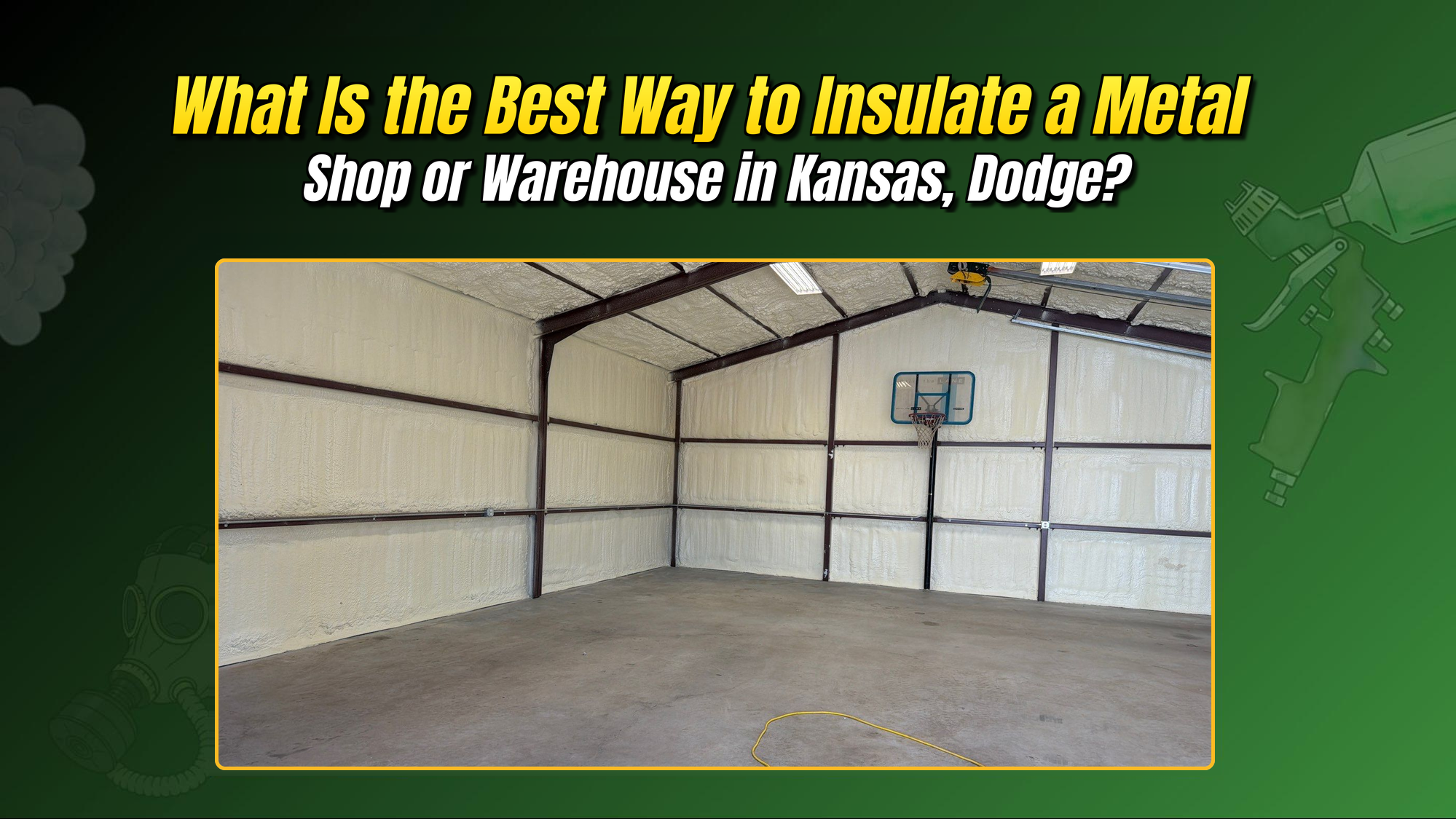
To avoid all these situations, you can choose metal building spray foam in Kansas. But make sure that you are installing it without committing any mistakes. Otherwise, you have to face severe consequences in the future.
This blog covers 5 errors that can be prevented while undertaking the above-mentioned task. So, let’s begin reading now!
Why Cold Steel Turns Warm Air Into Water
Air carries invisible moisture. Warm air carries more of it than cold air does. When that humid air touches a surface below its dew point, vapor turns to liquid.
Steel makes this worse. It conducts heat so quickly that a roof panel can drop to outdoor temperature within minutes. Interior air stays warm and damp. Contact is all it takes.
The following are the things that create favorable conditions for condensation:
- Livestock, welding, or vehicle exhaust adding moisture to the air
- Big day-to-night temperature swings, common across the Plains
- Unheated storage that’s suddenly heated for a project
- Concrete slabs releasing moisture long after they cure
- Thin or patchy insulation that leaves cold metal exposed
Besides materials, water vapour can pass through small gaps and seams. So, make sure that you don’t let any of them open.
Five Common Insulation Mistakes in Kansas Metal Buildings
The following are the mistakes that you have to avoid while insulating your metal structure.
Mistake 1: Stuffing Fiberglass Against Bare Metal
Fiberglass batts are the default in many steel buildings. They’re cheap, familiar, and fast to hang. They also let humid air slip right through. That vapor reaches the cold panel, condenses, and soaks the batt from the outside in. Over time, wet fiberglass sags and pulls away, leaving bare metal exposed.
Mistake 2: Trusting a Vapor Barrier With Open Seams
A vapor barrier only works if it’s continuous. Torn facing, skipped tape, and unsealed penetrations all break that promise. Installers often miss the spots around purlins, door frames, and fasteners. Humid air finds every one of them. Water then collects in the low points of the sagging liner.
Mistake 3: Picking Open-Cell Foam for a Steel Skin
Not all foam behaves the same. Open-cell foam is soft, light, and vapor-permeable and provides a passage for moisture to travel through it.
On the other hand, closed-cell foam keeps the metal’s inside face warm by blocking vapor and bonding tightly to the panel. This is the main reason why it is mainly used for spray foam insulation for metal buildings.
Mistake 4: Spraying Too Thin to Beat the Dew Point
It is a fact that when not applied with the correct thickness, even outstanding foam can not perform up to the mark. So, make sure that you hire a trustworthy contractor who performs the task with accuracy and precision.
Mistake 5: Sealing the Building Without Managing Humidity
A tight building traps moisture just as well as it traps heat. Add an unvented propane heater, and indoor humidity climbs quickly.
Insulation lowers the odds of condensation, but it can’t dry out a damp slab or a wet floor on its own. Ventilation and dehumidifying still matter.
Reading the Warning Signs Before the Drips Start
The following are the signs that signify condensation:
- Rust streaks near fasteners, laps, and panel seams
- Damp or flattened insulation, especially along the eaves
- Dark spots or fuzzy growth on wood framing and stored goods
- Puddles under the same roof area after cold nights
- A musty smell that returns after every cleaning
In case you own a pole barn, make sure that the wood posts sit close behind the metal siding. The wood will get rot if moisture gets trapped there. If you want good insulation for your pole barn, ensure that you avoid these risks from the start.
How Metal Building Spray Foam Kansas Installs Actually Unfolds
The sequence below is followed in a reliable insulation installation job:
- Strip old fiberglass and clean off dust, oil, and loose rust.
- Check panel temperature and humidity so the foam cures properly.
- Mask doors, windows, and equipment against overspray
- Spray closed-cell foam in controlled passes, building thickness evenly.
- Inspect depth at ribs, corners, and eaves, then touch up gaps.
- Plan ventilation or dehumidification for the finished space
If you want your insulation to last for decades, try to hire a good insulation company for the installation process. As Kansas is a region with unpredictable weather, you should install spray foam insulation to handle it.
Choosing Between Foam, Batts, and Reflective Rolls
The comparison between foam, batts, and reflective rolls is as follows:
- Fiberglass batts: low upfront cost, but vulnerable to moisture and sagging
- Reflective foil rolls: easy to hang, yet low in real R-value
- Rigid board: strong performance, but labor-heavy around purlins and curves
- Closed-cell spray foam: insulation, air seal, and vapor control in one layer
As every coin has two sides, spray foam has some disadvantages as well. This is because its initial cost is generally high, and its removal can create a hassle, especially when roof panels need replacing.
In commercial buildings like warehouses, shops, and equipment sheds, condensation can cause major damage. So, make sure that you install commercial insulation to avoid any future costs.
What Kansas Weather Does to Steel and Foam
Kansas swings hard. Temperature fluctuations cause contraction and expansion throughout the year. Closed-cell foam flexes with that movement, but only when it’s applied at the right thickness.
Humidity increases in spring storms and summer evenings add another layer of stress. Metal building spray foam owners often notice drips in shoulder seasons first, long before January hits.
Wind-driven rain and dust also test the exterior. Sealed laps and clean panels keep the foam bond strong over time. Farm and ranch buildings face another twist. Animals, feed, and wet floors raise moisture loads far above those of a plain garage.
Planning for those loads early prevents expensive rework. Spray foam insulation in Central Kansas often pairs with exhaust fans or dehumidifiers on livestock and equipment buildings.
Small Habits That Keep Steel Dry After the Foam Cures
Insulation does the heavy lifting, but daily habits protect the investment. These small steps take little time.
- Vent propane and kerosene heaters, or skip them entirely.
- Wipe up standing water on the slab before it evaporates indoors.
- Run a basic hygrometer and watch for readings above 60 percent.
- Keep gutters and downspouts clear so water stays away from walls.
- Open doors on mild, dry days to flush out stale air
A cheap hygrometer might be the best twenty dollars an owner ever spends. Numbers beat guesswork every time.
Properties that serve customers face higher stakes. Commercial insulation in Kansas for retail, storage, and light industry should include a moisture plan, not just an R-value target.
Fix the Moisture Problem Before It Gets Expensive
Condensation is a symptom, not a mystery. Wet batts, leaky vapor barriers, wrong foam, thin coats, and trapped humidity all feed it.
Spray foam insulation for metal buildings in Kansas works best when the product, thickness, and prep all line up. Pole barn insulation can be especially valuable for keeping wood posts dry and protecting them from moisture damage over time.
If you want to conduct an honest inspection, hire a professional crew like Advanced Seal Spray Foam Insulation. Visit our website to get a free estimate now!