
Why does the thermostat say 70 while your feet still feel cold? Maybe the upstairs bedroom never matches the rest of the house. Or the workshop turns into an oven by midday. Many owners keep adjusting settings and paying bills without finding the cause.
Weak insulation is one possible reason. Home insulation problems in Central Kansas can affect houses, crawl spaces, garages, pole barns, and commercial buildings alike. They build slowly, so they are easy to dismiss. Catching them early protects comfort, building materials, and your budget.
In this blog, we will discuss the 7 major warning signs that indicate that you have to recheck your property’s existing insulation. So, let’s move ahead and read on!
7 Warning Signs Your Property’s Insulation Is Falling Short
Insulation problems rarely appear overnight. They show up through small changes in comfort, energy use, and building condition. One sign alone may have another cause. Several together point toward the building envelope, meaning the roof, walls, floors, and openings that separate indoors from outdoors.
1. Your Energy Bills Are Rising Without a Clear Reason
In winter, poor insulation lets indoor heat drift out through the attic and walls. In summer, outdoor heat moves in the same way. The furnace or air conditioner then runs longer to keep up. That extra run time lands on your monthly bill.
Rising bills don’t always mean insulation trouble, though. Compare usage from the same months across several years, since rates and weather change. Then check the attic for thin spots, bare patches, or visible gaps. A tired HVAC system can raise costs too.
2. One Room Feels Like a Different Season
A bedroom over the garage freezes in January. A second-floor office stays warm long after sunset. These swings usually come from missing insulation, uneven coverage, or air leaks near exterior walls. Hot attic air can also press down through thin ceiling insulation in summers.
Finding the exact cause takes a careful look. A professional inspection can trace the problem to a specific wall, ceiling, or floor.
3. Cold Floors and Unexpected Drafts Are Becoming Normal
Kansas winds test every gap in a building. When cold air seeps in, drafts and chilly floors follow. Common leak points include:
- Door and window frames
- Attic access openings
- Floor edges and rim joists
- Plumbing and electrical openings
- Crawl space areas
Air sealing and insulation do different jobs. Sealing stops air from moving through gaps. Insulation slows heat as it travels through materials. A floor above a vented crawl space often needs both, and skipping either leaves problems behind.
4. Your Heating and Cooling System Never Seems to Rest
Heat always moves from warm areas toward cooler ones. Insulation slows that movement. When a building leaks heat, equipment cycles longer to make up the loss. Watch for systems that run nonstop on hot afternoons or cold nights.
Equipment problems can cause long run times too. Dirty filters, leaky ducts, and undersized units are common examples. Check both the building envelope and the HVAC system before spending money on either.
5. Moisture, Condensation, and Musty Smells Keep Appearing
Moisture gathers where warm, humid air meets cold surfaces. Watch for these signs:
- Condensation on windows, ducts, or metal
- Damp crawl spaces
- Musty odors that return after cleaning
- Water stains on ceilings or walls
- Visible mold growth
Insulation alone can’t fix every moisture issue. Roof leaks, plumbing problems, poor drainage, and weak ventilation can cause the same symptoms. Find the source first. Covering a wet problem with new material only hides it.
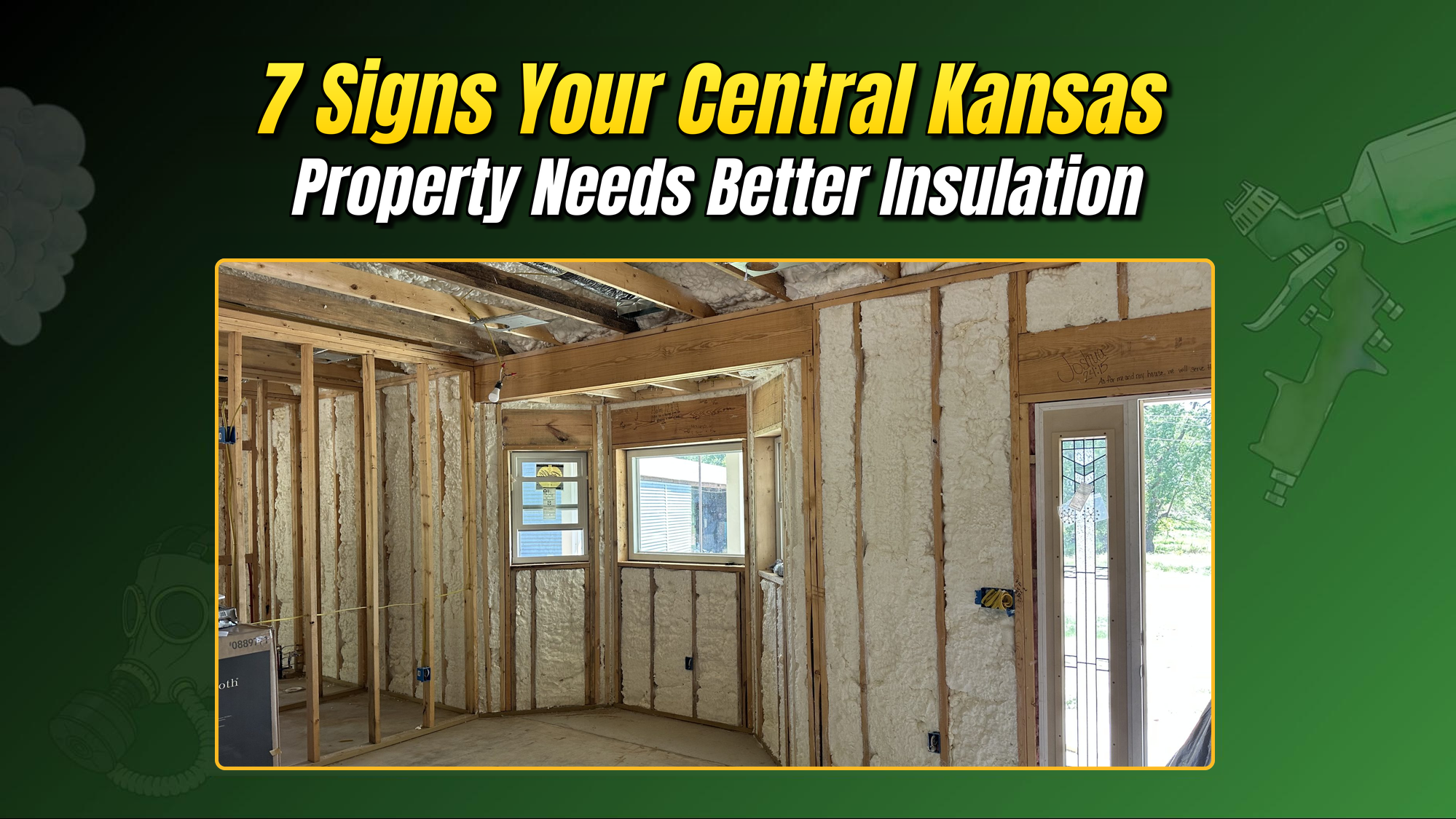
6. Your Existing Insulation Looks Compressed, Wet, or Damaged
Insulation loses value when moisture, pests, dirt, or weight work against it. Compressed material holds less air, so it slows heat less effectively. Older home insulation in Central Kansas often shows these problems before comfort drops. Check attics, walls, and crawl spaces for:
- Flat, clumped, or damp material
- Droppings, nests, or chewed sections
- Dark stains or mold
- Uneven depth across the attic floor
Wear a mask and step only on solid framing. Wet or contaminated insulation is a poor base for a new layer. Removal and replacement is often the better path. Have the cause assessed before any new material goes in.
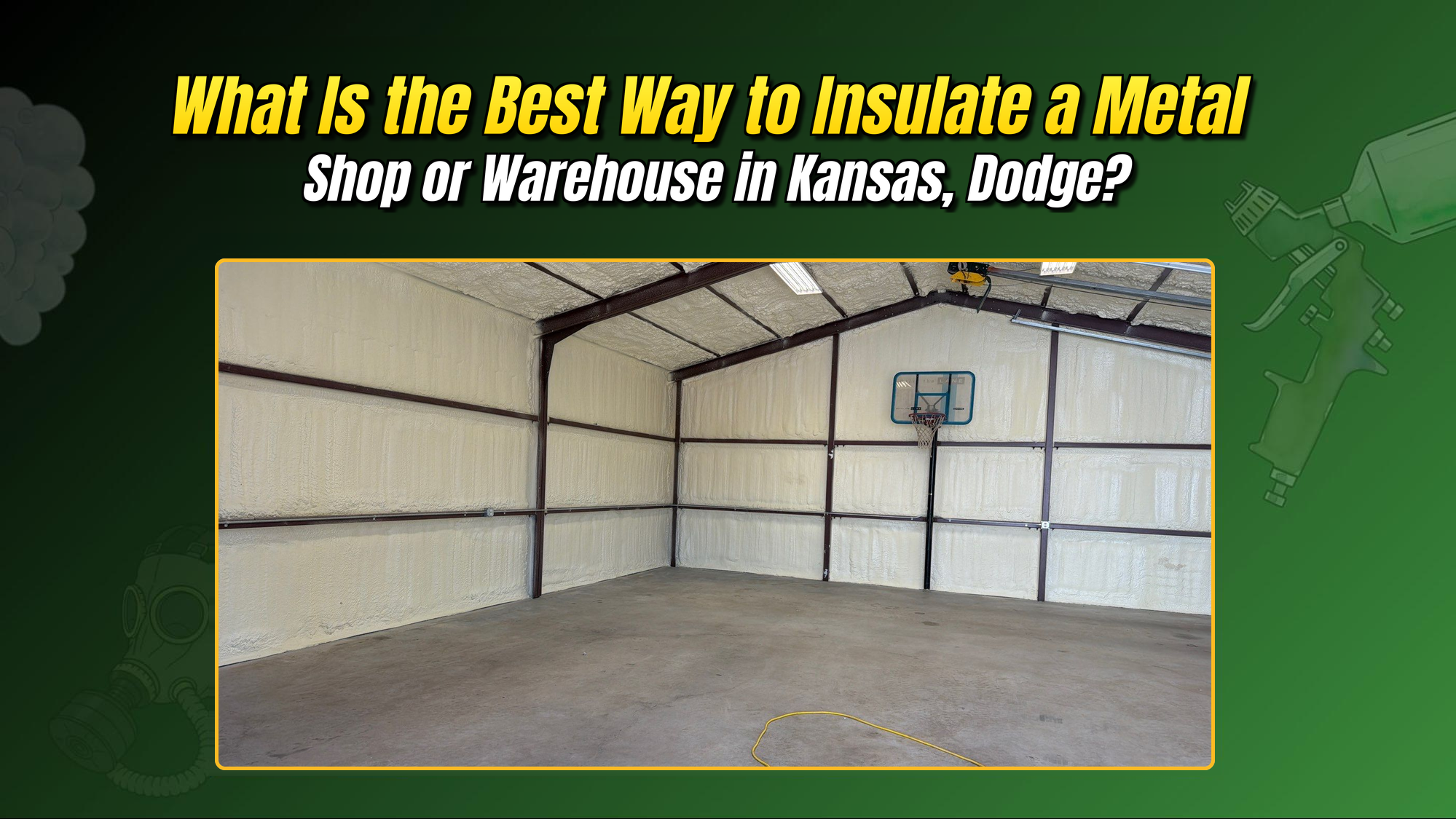
7. Your Pole Barn or Metal Building Is Hard to Use Comfortably
Steel gains and loses heat fast. A workshop can feel like an oven in summers and a freezer in winters. Warm, humid air also condenses on cold metal panels. Those drips can rust tools, soak stored feed, and damage equipment. Temperatures often vary from one bay to the next.
Choosing insulation for these buildings takes planning. Framing, use, moisture, and ventilation all matter. A skilled pole barn insulation contractor considers each factor before recommending a system.
How Can You Fix These Insulation Problems Before They Get Worse?
Spotting the signs is only half the work. These steps turn clues into a plan.
Inspect and Improve Attic Insulation. The attic is the easiest place to start. Thin, missing, or compressed insulation lets heat escape quickly. Coverage should look even from edge to edge. Fixing it is a smart first step for home insulation in Central Kansas.
Seal Air Leaks Around Openings. Caulk, weatherstripping, and foam sealant close gaps around windows, doors, and pipes. Sealing first helps insulation perform as designed. The two upgrades work best together.
Address Crawl Space Moisture and Heat Loss. Crawl spaces need moisture control before insulation. Drainage, vapor control, and ventilation come first. Spray foam suits some crawl spaces, depending on moisture, design, and ventilation needs. Anyone searching “ crawl space spray foam insulation me” should expect an honest look at those conditions.
Choose Suitable Insulation for Pole Barns and Metal Buildings. Metal structures need systems built for their design and use. Controlling condensation and sealing air leaks matter as much as the material itself.
Remove Damaged Insulation When Necessary. Wet, contaminated, or pest-damaged material should come out. Covering it hides the problem but leaves the original cause in place.
Arrange a Professional Insulation Assessment. A professional checks coverage, air leakage, moisture, and building conditions. The goal is fixing the cause, not just the symptom.
Which Insulation Problem Needs Your Attention First?
What You Notice | Possible Cause | Recommended Action |
Rising energy bills | Heat loss or air leakage | Inspect insulation and air sealing |
Uneven room temperatures | Missing or uneven insulation | Check attic and wall coverage |
Cold floors and drafts | Floor insulation gaps or air leaks | Inspect crawl spaces and openings |
Long HVAC run times | Heat transfer or HVAC issues | Arrange a building and HVAC assessment |
Moisture and musty smells | Moisture intrusion or condensation | Identify and correct the moisture source |
Damaged insulation | Water, pests, or compression | Assess removal or replacement |
Uncomfortable metal buildings | Unsuitable or insufficient insulation | Evaluate the building’s insulation system |
When Is It Time to Bring in an Insulation Expert?
Small visible problems can point to larger hidden ones. Call a professional when you notice:
- Visible moisture damage on insulation
- Energy bills that keep climbing
- Temperature differences in several rooms
- Persistent crawl space dampness
- Recurring condensation in a metal building
- Old, damaged, or thin insulation
Crawl spaces deserve special care. Searching for “crawl space spray foam insulation near me” is easy, but the right fix depends on the space itself. A professional assessment helps match materials and installation methods to the building.
Get the Right Insulation Solution for Your Central Kansas Property
Advanced Seal Spray Foam Insulation serves Wichita and Central Kansas with more than 15 years of experience. Our team handles residential insulation, spray foam, attic insulation, crawl space insulation, pole barn insulation, metal building insulation, and insulation removal.
Each project starts with a free on-site inspection. Recommendations are customized to the property, since a farmhouse and a machine shed need different plans. Owners seeking home insulation get options based on what the building actually needs. Spray foam isn’t always the answer, and honest advice includes other materials.
Farmers and shop owners looking for a pole barn insulation contractor in Kansas receive the same careful review.
Don’t Let Insulation Problems Affect Your Property’s Comfort
Rising bills, cold floors, damp smells, and uneven rooms are messages from the building. Ignoring them rarely makes them disappear, and repairs tend to cost more later. Fix the cause, not just the symptom. Smart decisions about home insulation in Central Kansas start with a clear look at your attic, walls, and floors.
Contact Advanced Seal Spray Online Foam Insulation today for a free on-site inspection and estimate. Call 620-508-9304 to get started.