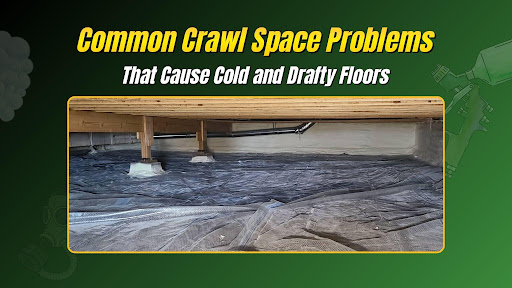

Most homeowners blame the thermostat when a room feels uncomfortable. Few ever look at the dark space beneath their feet. That hidden area quietly controls how warm your floors feel. Poor crawl space insulation in Kansas can make a well-built house feel unfinished.
This guide explains the common problems that cause cold, drafty floors. You will also learn how professionals find the real cause. Fixing the right problem first usually beats guessing at repairs later. So, let’s begin reading now!
Why the Space Under Your House Controls Floor Temperature
Heat always moves from warmer areas toward cooler areas nearby. Your living space is warm, while the crawl space stays cooler. Floors sit between those two zones and take the brunt. Cold air touching the underside of a floor cools the surface above. Your feet then lose heat quickly, so the floor feels colder. Air leaks add to the problem by pulling cold air upward. Warm air leaving the house creates a gentle pull from below. Insulation slows heat flow, while air sealing blocks moving air. This explains why one room can feel colder than another. A room above a larger or leakier section loses more heat. Kansas homes face wide temperature swings and shifting soil moisture levels.
Nine Crawl Space Problems Behind Cold, Drafty Floors
These problems often exist together, which makes diagnosis harder than it looks.
Missing or Thin Insulation
Some crawl spaces were never insulated or received only a thin layer. Without a thermal barrier, heat passes straight through the floor structure. Floors then feel cold, and rooms above them never settle comfortably. Leaving it alone also forces heating equipment to run longer.
Sagging or Fallen Insulation
Fiberglass batts often loosen as fasteners fail or moisture adds weight. Fallen sections leave bare floor areas exposed to cold crawl space air. Owners may notice cold patches that follow no clear pattern. Small gaps grow over time, so early repairs cost far less.
Air Leaks Around Pipes, Wires, and Openings
Plumbing, wiring, and ductwork often pass through the subfloor together. Gaps around those penetrations let crawl space air enter living areas. You may feel drafts near baseboards, cabinets, or bathroom fixtures. That moving air also carries dust, humidity, and odors upstairs.
Damp Crawl Space Conditions
Soil, plumbing leaks, and poor drainage can all raise moisture levels. Damp insulation loses much of its ability to slow heat flow. Floors may feel clammy, and musty smells can drift into rooms. Ignoring moisture invites mold, wood decay, and costly structural repairs.
Gaps Between Joists and Insulation
Insulation must press against the subfloor to work as intended. Air pockets between joists and insulation allow cold air to circulate. Floors can feel uneven underfoot, with cold stripes along each joist. Poor installation is a common cause, not the material itself.
Poorly Sealed Access Doors
Access doors are often thin panels with worn or missing seals. Outside air and crawl space air then move freely through the gap. Nearby rooms may stay cool, and hallways can feel noticeably drafty. An insulated, gasketed door is a small upgrade with real impact.
Unsealed Foundation Vents and Openings
Older foundations often include vents that remain open without any way to close them. Broken screens, cracked block, and missing mortar create more gaps. Outside air then flows beneath the floor and cools the framing. Vent strategy depends on the home, so seek advice before blocking anything.
Rodent Activity and Insulation Damage
Mice and other pests often nest inside warm, soft insulation. Their tunnels, droppings, and chewed sections reduce the material’s performance. Scratching noises or droppings near vents may point to pests. Damaged areas should be cleaned and repaired before new insulation goes in.
Missing Vapor Barriers and Poor Encapsulation
A vapor barrier covers the ground and limits moisture rising from soil. Torn, thin, or missing sheeting lets that moisture enter the crawl space. Encapsulation goes further by sealing walls, seams, and openings as well. Without it, humidity climbs, and insulation performs below its rated ability.
Signs Your Home Is Asking for Crawl Space Attention
- Floors stay cold even though the indoor temperature feels comfortable.
- Drafts appear near baseboards, outlets, and other floor-level openings in rooms.
- Some rooms feel noticeably warmer or cooler than the rest.
- Indoor humidity runs higher than usual without an obvious source.
- Musty smells rise into living areas from below the floor.
- Insulation looks stained, flattened, or hanging loose beneath the floor.
- Heating and cooling equipment seems to run longer than before.
No single sign confirms a crawl space problem on its own. Several signs appearing together make a crawl space inspection worthwhile.
How Professionals Pinpoint the Real Cause of Cold Floors
A proper inspection starts with looking, measuring, and asking questions. Inspectors check whether insulation covers the floor fully and sits tightly. They examine joists, rim areas, and foundation openings for visible gaps. Moisture readings and drainage checks reveal whether water is entering the space. They also look for pest damage, failed barriers, and ventilation problems. Finding the cause first prevents adding insulation on top of hidden trouble.
Matching the Right Fix to Each Crawl Space Problem
Lasting crawl space insulation starts with controlling moisture sources first. Drain repairs, plumbing fixes, and ground vapor barriers often handle that step. Next, crews seal gaps around pipes, wires, doors, and foundation openings. Damaged or contaminated insulation should be removed before anything new goes in. Closed-cell spray foam suits many crawl spaces because it seals air and resists moisture. Homeowners comparing home spray foam insulation services should ask about moisture testing. It is not automatically right for every crawl space, though. Moisture levels, building design, and local code requirements all influence the choice. Other materials work well when conditions and budgets point that direction. Wet materials should never be covered, and unresolved moisture should never be sealed in.
Comparing Fiberglass, Blown-In, and Spray Foam Options
The table below compares common materials in typical crawl space conditions.
Material | Air sealing | Moisture considerations | Common limitations | Typical crawl space use |
Fiberglass | Low without extra sealing | Absorbs moisture and loses performance | Sags without secure support | Dry, well-managed spaces |
Blown-in | Moderate in enclosed cavities | Clumps or settles when damp | Needs netting or enclosed framing | Floor cavities with support |
Open-cell spray foam | Strong air sealing | Absorbs moisture vapor | Needs dry, controlled conditions | Dry, enclosed crawl spaces |
Closed-cell spray foam | Strong air sealing | Resists liquid water | Higher cost, skilled installation | Walls or floors with moisture risk |
Searching for crawl space spray foam insulation near you often returns many different approaches. Blown-in insulation contractors typically add support netting to hold material in place. No material wins in every crawl space or every budget. Moisture, access, and building design should guide the final selection.
Why Crawl Space Evaluation Deserves a Trained Eye
Crawl space work involves moisture, airflow, pests, and structural details together. Experienced contractors assess each factor before suggesting any material or method. Honest findings should come before any crawl space insulation work begins. Kansas homeowners often search for an insulation company Kansas residents can trust. Many people type “crawl space spray foam insulation near me” when repairs feel overdue. Advanced Seal Spray Foam Insulation offers insulation services and can inspect these crawl space concerns. Our team can discuss spray foam insulation options based on your conditions. Some homes need home spray foam insulation services once repairs are finished. Other homes may need blown-in insulation contractors for enclosed floor cavities.
Fixing the Cause Beneath Your Cold Floors
Cold floors rarely come from a single, easily fixed cause. Thin insulation, hidden leaks, moisture, and pests often work together beneath your home. Temporary fixes rarely last because they leave the original problem untouched. Better crawl space insulation in Kansas starts with a close look underneath.
Advanced Seal Spray Foam Insulation is a professional option for crawl space services in Kansas. Choosing an insulation company homeowners trust makes the whole process easier. Contact us to schedule an inspection or consultation. Ask your questions, share what you feel underfoot, and get honest answers.
Crawl Space Questions Homeowners Ask Most
Q1. Why are my floors cold even when the house feels warm?
Floors feel cold when the space below pulls heat from them. Missing insulation, air leaks, and moisture often cause that heat loss. Air temperature and floor surface temperature can differ quite a lot.
Q2. Can crawl space insulation reduce drafts inside my home?
Yes, quality crawl space insulation in Kansas helps most when paired with air sealing. Insulation alone cannot stop air moving through gaps and openings. Sealing leaks first gives the insulation a better chance to work.
Q3. What causes crawl space insulation to fall or become damaged?
Moisture, poor fastening, and pests are the most common causes. Damp batts get heavy and slowly pull away from the floor. Rodents also tunnel through insulation and leave large gaps behind.
Q4. Is spray foam suitable for insulating a crawl space?
Spray foam insulation projects can suit many crawl spaces, but not all. Closed-cell foam resists moisture, but you must fix wet conditions first. A proper inspection confirms whether foam actually fits your specific home.
Q5. How do professionals identify crawl space insulation problems?
They inspect insulation, joists, openings, moisture levels, and signs of pests. Each finding helps pinpoint where heat and air are escaping. Collected notes then guide a clear and practical repair plan.