Your energy bills keep climbing, and your home feels drafty no matter how you adjust the thermostat. We’ve walked through countless Central Kansas attics where homeowners face this exact frustration. Here’s what we’ve learned: most attics have far less insulation than the recommended 16-19 inches needed for our climate zone.
You know that sinking feeling when you open your energy bill each month? That draft you feel even when the thermostat says your home should be comfortable? You’re not alone in this struggle.
This guide breaks down exactly how much attic insulation you need and which types work best. We’ll also show you the warning signs that your current setup isn’t doing its job. Ready to stop watching your hard-earned money disappear through the roof?
Kansas’s strong winds and temperature swings demand these specific depths. We measure every job because settling happens over time. Blown-in materials compress about 10-15% during the first year.
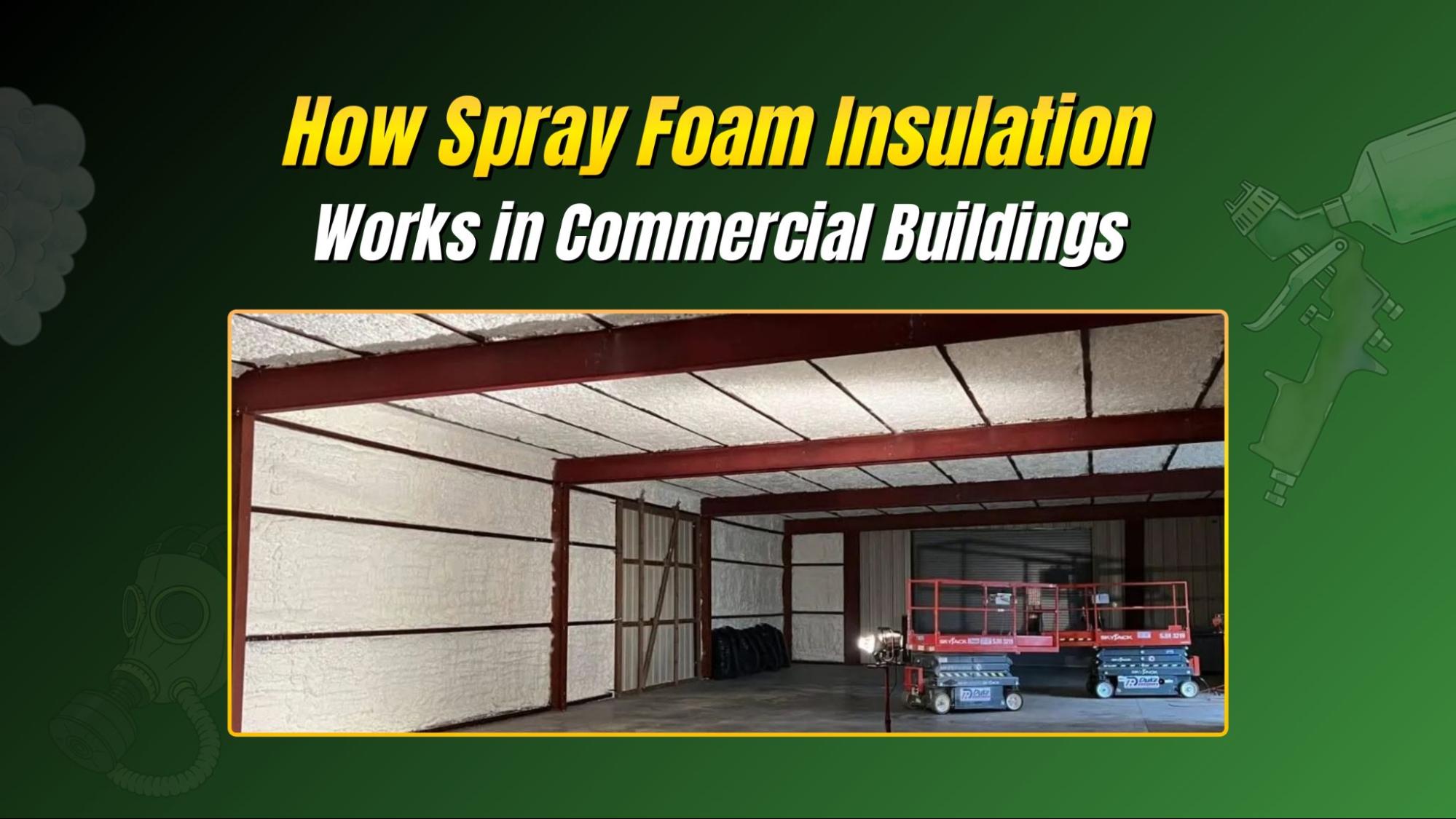
Commercial buildings need deeper coverage due to larger spaces and higher heat loads. Most warehouse projects require R-49 minimum. Office buildings benefit from R-38 in conditioned spaces. Existing homes often have 6-8 inches of old insulation. Adding spray foam over fiberglass creates thermal bridging issues. We remove old material first on most jobs.
Depth matters less than complete coverage. A 10-inch layer with gaps performs worse than an 8-inch layer installed properly. Kansas wind finds every crack and crevice.
Vaulted ceilings limit your options to spray foam or dense pack cellulose. Standard depths don’t apply here. We calculate R-value based on available cavity space.
Our crews check for electrical junction boxes, recessed lights, and exhaust fans before installation. These obstacles require careful work around proper clearances. Code compliance protects your family and property investment.
Determining the Right Amount of Attic Insulation
Getting your attic insulation thickness right isn’t guesswork; it’s science mixed with local know-how. We’ve seen too many Central Kansas homes where owners thought “some insulation is good enough,” only to watch their energy bills climb like a prairie fire in August.Understanding R-Value Requirements
R-value measures the thermal resistance of insulation material, and it tells us how well your attic insulation blocks heat transfer. Think of R-value like a winter coat; the higher the number, the better it keeps the heat where you want it. Our attic insulation recommended R-value needs to handle both scorching summers and bitter winters. Most Central Kansas homes need an R-value between R-38 and R-49 for optimal performance. Commercial buildings often require even higher values depending on their specific use and energy goals. Local climate conditions influence the right amount of attic insulation needed, and Central Kansas sits in Climate Zone 4. This zone experiences hot summers and cold winters, which means your insulation works overtime year-round. The Department of Energy recommends R-49 to R-60 for our area, but we’ve found that many existing homes fall short of these targets. Proper insulation improves energy efficiency and enhances comfort, but only if you hit the right R-value for your specific situation. Metal building insulation requirements can differ significantly from residential standards, especially for warehouses and commercial spaces that need consistent temperatures.Assessing Your Climate Zone
Central Kansas sits squarely in Climate Zone 4, which means we deal with both hot summers and cold winters that can swing dramatically. We see temperature fluctuations that would make a thermometer dizzy, plus those famous Kansas winds that seem to find every crack and gap in a building. This climate zone requires specific insulation strategies because what works in Florida won’t cut it here, and what works in Minnesota might be excessive. Climate zones influence the optimal amount of attic insulation needed for energy efficiency, so getting this assessment right saves you money on both heating and cooling bills. Kansas’s climatic challenges underscore the importance of proper insulation in buildings, especially with our wild temperature swings and persistent winds. Our team has worked on numerous jobs across central Kansas, from Salina to Hutchinson, and we’ve learned that effective insulation strategies are essential in climates with strong winds and temperature fluctuations like ours. The right type of insulation becomes critical based on specific climate zone conditions, which is why we don’t use a one-size-fits-all approach. We’ve seen homes where the previous contractor used the wrong insulation depth for our zone, leaving homeowners scratching their heads about high energy bills.Types of Attic Insulation
We’ve worked with countless Central Kansas homeowners who get confused by all the insulation options available today. The truth is, choosing between spray foam, blown-in cellulose, and fiberglass batts comes down to your specific needs, budget, and whether you’re dealing with attic insulation removal first.Spray Foam Insulation
Spray foam insulation stands out as one of the most effective solutions for Central Kansas attics. We work with both open-cell and closed-cell spray foam options at Advanced Seal Spray Foam Insulation. Open-cell foam costs less and provides excellent air sealing properties. Closed-cell foam offers higher R-values per inch and adds structural strength to your building. Both types create an airtight barrier that stops drafts cold. Our building-science approach focuses on sealing air leaks while boosting R-value performance. Spray foam expands to fill every crack, gap, and crevice in your attic space. This complete coverage eliminates the thermal bridging that happens with traditional batt insulation. Property managers across Pratt, Wichita, and Hutchinson see dramatic improvements in comfort and energy bills. The foam bonds directly to roof decking and framing, creating a continuous thermal barrier that lasts for decades without settling or shifting.Blown-in Insulation
While spray foam offers excellent air sealing properties, blown-in insulation provides another effective solution for Central Kansas attics. We install blown-in insulation as a cost-effective way to boost your home’s thermal performance and reduce those annoying drafts that sneak through gaps. Blown-in insulation works by filling spaces that traditional batts might miss, creating better coverage across your attic floor. Our team identifies leak areas before installation, which helps control air leakage and moisture issues that plague many Kansas homes. The material settles into corners and around obstacles, improving temperature consistency throughout your living spaces. We focus on realistic expectations with this service, emphasizing comfort improvements rather than promising specific dollar savings on your energy bills. Proper blown-in insulation installation requires identifying problem areas first, then using the right material for your specific attic conditions.Recommended Insulation Depths
Here’s what we’ve learned from hundreds of Central Kansas attic projects about proper insulation depths.| Insulation Type | Recommended Depth (R-38) | Recommended Depth (R-49) | Best For |
| Spray Foam (Open Cell) | 10-12 inches | 13-15 inches | Air sealing + insulation combo |
| Spray Foam (Closed Cell) | 6-7 inches | 8-9 inches | Moisture control in problem areas |
| Blown-in Fiberglass | 12-14 inches | 16-18 inches | Budget-friendly coverage |
| Blown-in Cellulose | 10-12 inches | 14-16 inches | Dense pack applications |
| Batt Insulation | 12-13 inches | 15-16 inches | DIY projects (gaps are common) |
Signs Your Attic Insulation May Be Insufficient
Knowing the right insulation depth helps, but spotting problems early saves money and comfort. We’ve seen these warning signs countless times in Central Kansas homes and commercial buildings.- Temperature differences between rooms signal poor insulation coverage. Cold spots in winter and hot areas in summer point to gaps in your attic barrier.
- High energy bills often trace back to inadequate attic insulation. Air leakage through thin or missing insulation forces your HVAC system to work overtime.
- Small drafts around light fixtures and electrical outlets indicate air leaks. These gaps let conditioned air escape while outside air sneaks in through insufficient sealing.
- Ice dams forming on the roof edges during winter show heat loss problems. Warm air escaping through poor insulation melts snow, which refreezes at the gutters.
- Condensation problems appear frequently in metal buildings with thin insulation. Moisture buildup leads to rust, mold, and structural damage over time.
- Visible insulation settling or compression reduces effectiveness significantly. Old fiberglass batts often compress to half their original thickness, cutting R-value dramatically.
- Pest activity increases in poorly sealed attics with inadequate coverage. Rodents and insects find easy entry points where insulation gaps exist.
- HVAC systems cycle on and off constantly due to temperature swings. Poor attic insulation creates comfort issues that strain mechanical equipment unnecessarily.
Conclusion
Getting your attic insulation right makes a real difference in Central Kansas. We’ve seen homes transform from energy-wasting money pits to comfortable, efficient spaces with proper insulation depths and R-values. Your climate zone determines exactly how much insulation you need, and we’re here to help you figure that out. Whether you choose spray foam or blown-in insulation, the key is getting the right amount installed correctly. Contact Advanced Seal Spray Foam Insulation in Pratt, Wichita, and other surrounding areas for a free, instant insulation estimate, and let’s make your home work better for you.FAQs
1. How much attic insulation do most homes actually need?
Most homes need between R-38 and R-60 insulation in their attics, depending on your climate zone. Think of it like a winter coat; the colder your area gets, the thicker your insulation blanket should be.
2. What happens if you don't have enough insulation up there?
Your energy bills will go through the roof, literally. Hot air rises and escapes through thin insulation, making your heating and cooling systems work overtime like a hamster on a wheel.
3. Can you have too much attic insulation?
Yes, but it’s rare. Over-insulating can block ventilation and trap moisture, which creates mold problems down the road.
4. How do you know if your current insulation is doing its job?
Check if your energy bills spike during extreme weather, or if you notice ice dams in winter. You can also peek into your attic. If you can see your floor joists through the insulation, you probably need more coverage.