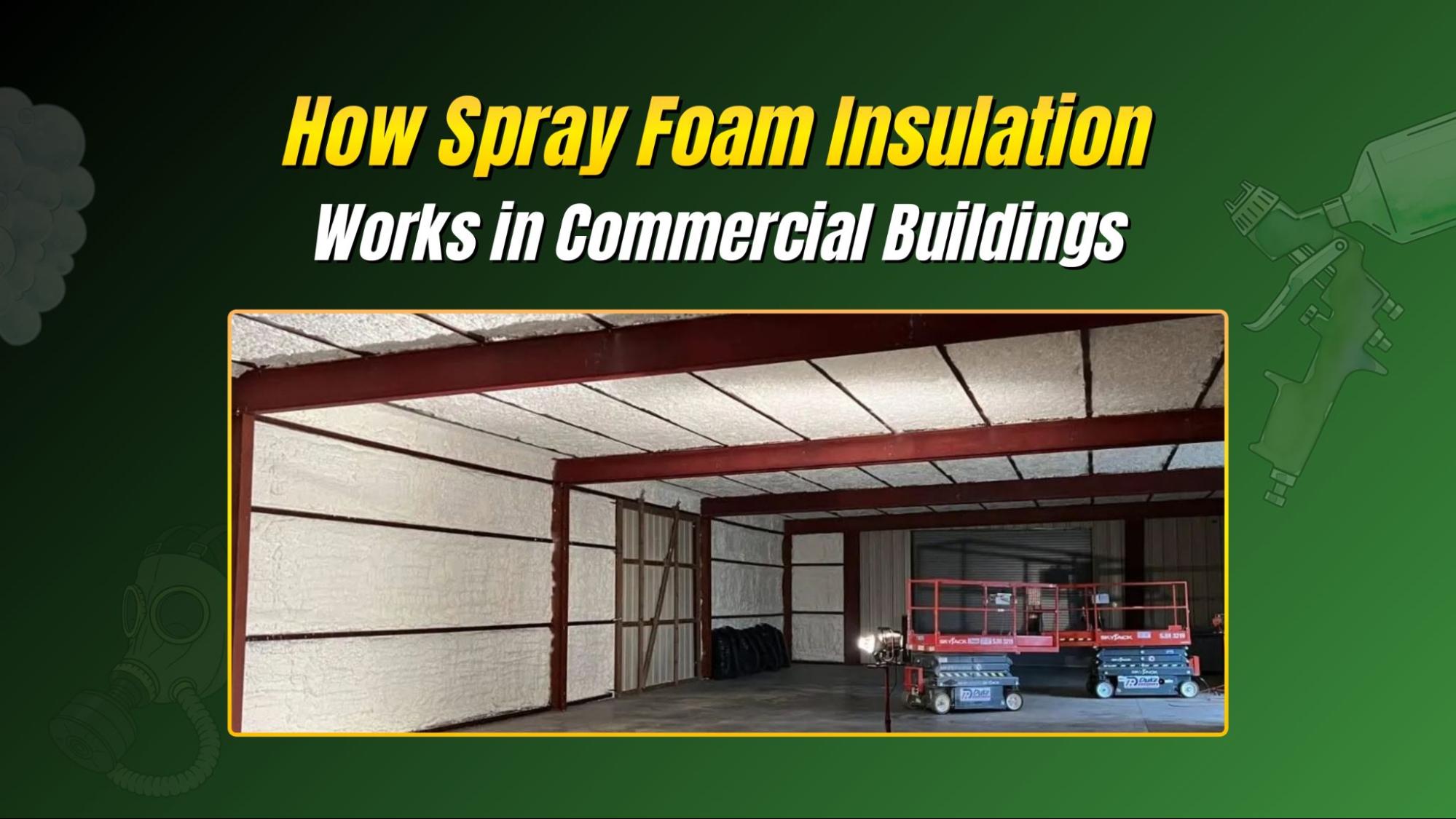
Many owners of tri-level and quad-level homes notice high energy bills and cold or hot spots in their houses. These problems often come from poor wall insulation. Gaps and thin spots let air move in and out, making it hard to keep your home comfortable.
People all across Central Kansas face this every year. Our team understands that these kinds of homes have unique challenges. Studies show that spray foam insulation can cut heating and cooling costs by up to 50 percent. We have spent time learning the best ways to insulate tri-level and quad-level walls, so you do not waste money guessing about the right cost or method.
This guide will explain how spray foam insulation works for these homes, which types fit your needs, and tips for getting the most value for your budget. You will find easy steps to seal attic, basement, and wall spaces using rigid foam or other top products approved for fire safety.
Read on if you are ready to lower your bills and make your home more comfortable all year long!
Understanding Tri-Level and Quad-Level Homes
Tri-level and quad-level homes have unique designs. They often feature multiple levels separated by short flights of stairs.Types of insulation commonly used
Many types of insulation are available for homes. Foam is one popular choice. It provides a strong air barrier and helps keep homes warm in winter and cool in summer. Foam board insulation can be used on walls, attics, and basements. Another common type is batt insulation. Batt insulation comes in rolls or pre-cut panels. It fits well between wall studs but may not seal gaps as foam does. Blown-in insulation is also an option. This type fills spaces that our other methods might miss. We often recommend using rigid foam for its durability and energy efficiency features. Each type has benefits based on the needs of the home’s design and climate control requirements.Benefits of Foam Insulation for Tri-Level and Quad-Level Homes
Foam insulation offers great benefits for tri-level and quad-level homes. It boosts energy efficiency, cuts down noise, and lasts a long time. Foam makes your home more comfortable and saves you money on energy bills.Improved energy efficiency
Foam insulation gives your tri-level and quad-level homes better energy efficiency. It creates a strong air barrier in walls. This keeps the warm air inside during winter and cool air in during summer. You will notice lower energy bills right away. In our experience, foam insulation can reduce energy use by up to 30%. This means more money saved for other important things. Using foam also helps keep your home comfortable year-round. A well-insulated home feels better and costs less to heat or cool.Better soundproofing
Foam insulation offers great soundproofing benefits for tri-level and quad-level homes. The walls can block outside noise, making your spaces quieter. This is especially helpful in busy areas or near highways. Foam reduces sound transfer between rooms. It keeps loud sounds from disturbing you at home or work. You can enjoy peace while also maintaining a comfortable environment for your family and guests. Better soundproofing adds to the quality of your living space and makes it more enjoyable to be inside.Durability and longevity
Foam insulation brings great durability and longevity to tri-level and quad-level homes. We have seen this in many projects. Foam resists moisture better than other materials. This helps prevent mold and mildew from growing inside walls. Using foam creates a long-lasting air barrier. It stays effective for years with proper installation, which we always prioritize at Advanced Seal Spray Foam Insulation. Clients often notice lower energy bills over time due to the improved efficiency provided by foam insulation. Our team has worked in Central Kansas, helping homeowners enjoy the benefits of durable materials. With foam insulation installed in their walls, they can relax knowing that it will last for decades while keeping their homes comfortable and safe.The Insulation Process for Tri-Level and Quad-Level Home Walls
We start by checking what insulation your home needs. Then, we help you choose the right foam type for your walls.Evaluating insulation needs
Evaluating insulation needs is key for our Tri-Level and Quad-Level homes. We first check the current state of your walls. Look for gaps or areas where air leaks can occur. The attic and basement also play a big role in overall insulation. Next, we consider the type of foam insulation best suited for your space. Different types include rigid, batt, and blown-in foam. Each type has unique benefits that can help you save on energy costs while improving comfort in your home. A thorough inspection helps us understand what will work best for your specific situation.Choosing the type of foam insulation
We choose the right foam insulation by looking at your needs. Rigid foam is one option. It offers great thermal barriers for walls in tri-level and quad-level homes. Batt insulation is another choice. It can fit between wall studs well, but it may not be as effective in some spaces. Blown-in foam works nicely for filling gaps, too. Each type of foam has its own benefits and uses. The best solution often depends on the specific areas we want to insulate, like attics or basements. You also need to consider professional installation versus DIY kits for these materials before starting the work on your walls.Professional installation vs. DIY kits
After selecting the best foam insulation for your tri-level or quad-level home, you need to decide between hiring a professional or using a DIY kit. Below, we compare both options for Central Kansas properties.| Aspect | Professional Installation | DIY Kits |
| Skill Level Needed | The installer is trained and certified. Work meets code requirements in Kansas. | The owner or manager applies insulation. Learning curve may be steep. |
| Equipment | Commercial-grade spray rigs and tools. Results are even and consistent. | Basic equipment is included in the kit. Quality may vary by user skill. |
| Safety | The installer uses proper PPE and follows safety standards for spray foam chemicals. | The user must purchase and wear protective gear. Risk of mishandling chemicals. |
| Coverage | Custom-fit for complex wall layouts. Suits unique designs in tri-level and quad-level homes. | Hard to reach tight or irregular spaces. Missed spots are common. |
| Time Required | Team completes work fast. Less disruption for homeowners or tenants. | Takes longer, especially for large homes. Multiple sessions may be needed. |
| Cost | Higher upfront price. Long-term savings due to fewer re-dos and energy efficiency. | Lower initial price for small jobs. Mistakes can lead to extra expenses. |
| Warranty | Installers often offer a written warranty on materials and labor. | No labor warranty. Product support varies between kit brands. |
| Building Codes | Work passes local energy and safety codes in Central Kansas. | The owner is responsible for code compliance. Risk of code violations. |
| Environmental Impact | Professionals use low-VOC foam and dispose of waste properly. | DIY kits may use higher-VOC chemicals. Waste disposal is up to the user. |
| Results | Even coverage, fewer gaps, improved air seal, and higher R-values. | Uneven spray and air leaks are common. A lower R-value is likely. |
Environmental impact
Foam insulation has a positive effect on our environment. It helps keep homes comfortable while using less energy. This means you can lower your utility bills and reduce pollution from power plants. A well-insulated home also cuts down on the demand for heating and cooling systems. This leads to fewer greenhouse gas emissions. Using foam insulation materials wisely is important, too. Some types have eco-friendly options that are safer for us and the planet. You should look for products made from recycled materials whenever possible. Choosing these solutions helps protect your resources while making your tri-level or quad-level homes more energy-efficient. Caring for foam insulation properly can also make it last longer, which reduces waste over time. Regular checks ensure you avoid problems like leaks or mold growth in walls or attics that could harm air quality inside your home. Focusing on good practices in installation and maintenance brings lasting benefits not just for us, but also for future generations.Maintaining and Caring for Foam Insulation in Tri-Level and Quad-Level Homes
Regular checks help keep foam insulation working well. You should ensure there are no leaks or damage. This will help you save on energy bills over time. For more tips, feel free to explore further!Regular maintenance for maximum effectiveness
Regular maintenance keeps foam insulation in good shape. We should check the walls for any damage or gaps. This will help maintain our air barrier and prevent leaks. Inspect areas like the attic and basement often. Cleaning around the insulation is also key. Dust and debris can lower its effectiveness over time. Keeping these areas clean helps us save on energy costs, too. Taking care of our foam insulation can lead to longer-lasting results and better efficiency in tri-level and quad-level homes.Health and safety considerations
Foam insulation is a great choice for tri-level and quad-level homes. We focus on health and safety during the installation process. Proper ventilation is key to keeping air quality high. Stale air can harm our health, so we need to make sure fresh air flows through the space. You must also consider any chemicals in foam insulation materials. Some foam types may have strong odors or release fumes while curing. Using low-VOC (Volatile Organic Compounds) products helps reduce risks. Choosing safe materials keeps your environment healthy. Proper installation techniques are essential, too. If not done right, gaps can form in walls, allowing drafts and moisture inside. Moisture leads to mold growth over time; this hurts both structure and health. Ensuring airtight seals prevents issues down the road for all homeowners and property managers alike.Longevity and potential savings on energy costs
Our foam insulation lasts a long time. It does not sag or settle like other types of insulation. This means it will keep the warm air inside during winter and the cool air during summer for years to come. We often see that homeowners save money on their energy bills after installing foam insulation. Many report up to 30% savings on heating and cooling costs each month. This type of insulation pays off over time. Its durability cuts down on the need for replacements or repairs, which also saves you money in the long run. The investment we make now leads to lower utility bills later on; that’s good news for any homeowner or property manager looking to improve their budget.Conclusion
We learned how to insulate tri-level and quad-level home walls using foam. Foam insulation boosts energy efficiency and keeps noise out. It lasts longer than other types, making it a smart choice. You can choose between professional installation and DIY kits based on your needs. Regular maintenance helps keep the insulation working well over time. Let’s take action now for a more comfortable and cost-effective home! Contact Advanced Seal Spray Foam Insulation for a free, instant insulation estimate.FAQs
1. What is the best way to insulate walls in tri-level and quad-level homes with foam insulation?
Use rigid or spray foam insulation for wall construction in tri-level and quad-level homes. Foam creates a strong air barrier, which helps keep your home warm.
2. Can I use foam insulation in both attic and basement walls?
Yes, you can install foam insulation in the attic and basement walls of residential designs. This adds extra protection against heat loss.
3. How does rigid foam compare to batt or blown-in insulation for these home types?
Rigid foam gives better air sealing than batt or blown-in materials in trilevel and quadlevel homes; it also resists moisture more effectively.
4. Should I choose fire-rated foam for insulating my home's walls?
Fire-rated options are safer when installing insulation near heat sources or inside wall cavities; always check local building codes before installation.
5. Do I need special steps for installing foam on older wall construction?
Older wall construction may need extra prep work before adding new building materials like rigid or spray foam; seal gaps first to make sure you get the best results from your home improvement project.