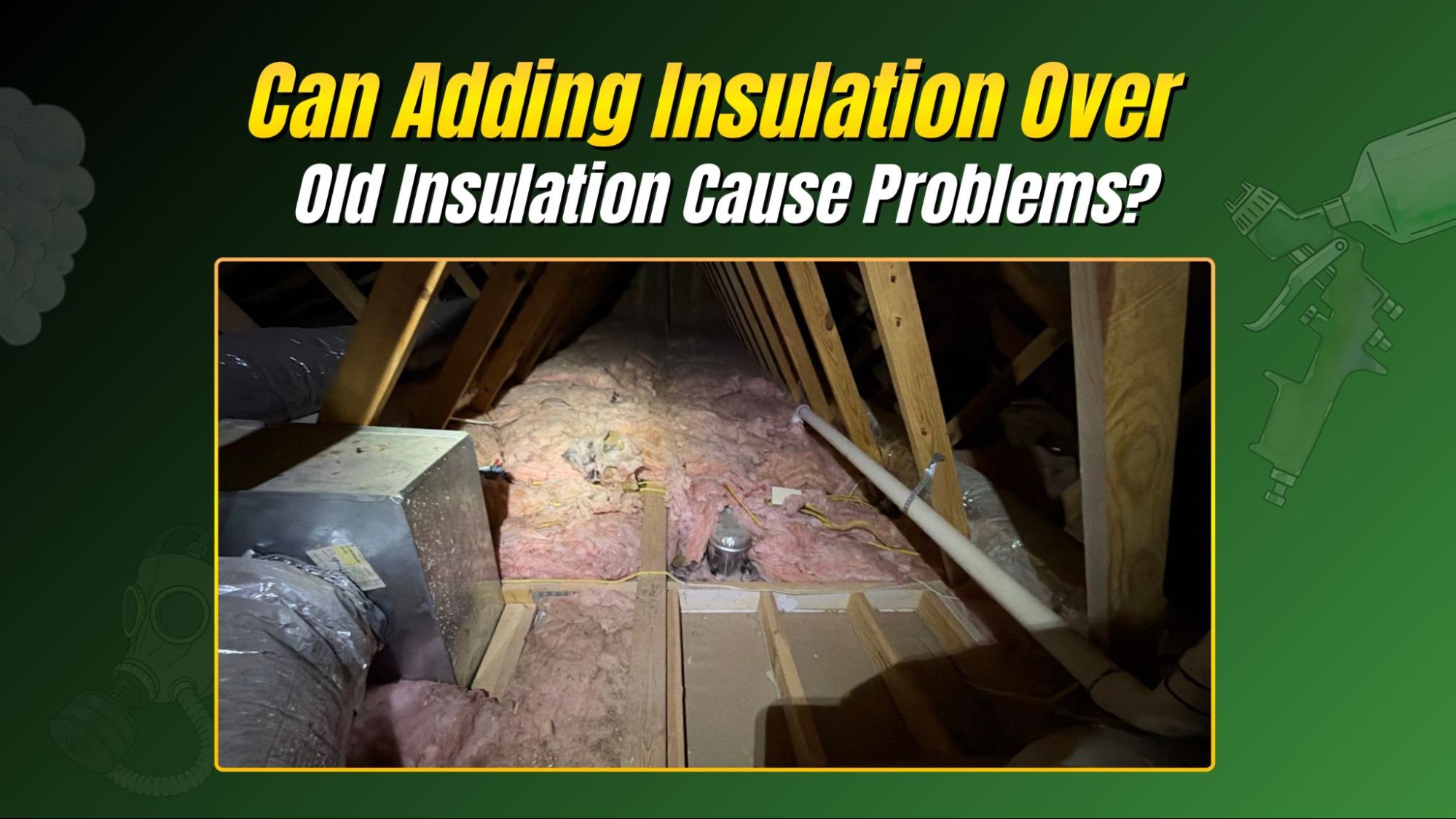

Suppose you are a homeowner in Hutchinson suffering from high energy bills. To find the root cause, you peek into the attic and find flat, gray insulation hardly reaching the tops of floor joists. At this sight, you realize that more R-value is required to stop the leaks and lower your heating and cooling costs.
Now, you may wonder, is it possible to install new insulation over old insulation? Or to remove the old one first? And if put over the existing one, will it cause bigger trouble later or not? The answer is that you can do so only if the old layer is dry, clean, and intact; otherwise, you will face severe consequences.
You can hire a trustworthy insulation company in Kansas to find out whether stacking will work for your house or not. In this blog, we will try to answer this question in detail. So, let’s go ahead and read it out!
When Is It Safe to Layer New Insulation Over Old?
Layering is safe when existing insulation is dry, uncontaminated, and reasonably even. ENERGY STAR lists wet insulation and moldy rafters as reasons to hire a professional. Age alone rarely disqualifies insulation, because condition matters far more.
Layering does not fix air leaks, roof leaks, or poor ventilation underneath. ENERGY STAR recommends unfaced batts or rolls whenever insulation goes over existing material. Paper or foil facing on new batts can trap moisture between layers.
Attic spray foam work follows the same rule: repair moisture and leaks first.
Five Problems Hidden Beneath a Fresh Layer
Most failures trace back to something the new layer concealed.
Condensation Between the Layers
Warm household air leaks into the attic through ceiling gaps. Cold roof sheathing then turns that vapor into liquid water overnight. Without air sealing, added insulation chills the roof deck and invites condensation. Wet insulation loses much of its resistance to heat flow. Cold nights and warm afternoons repeat this cycle many times each year.
The Department of Energy publishes a consumer guide on controlling attic moisture and ventilation.
Mold in the Dark
Mold needs moisture, organic material, and time, and damp attics can supply all three. The EPA states that mold control starts with moisture control. Cleaning mold without fixing the water source means it will likely return. Hidden mold can drift musty air into living spaces through ceiling gaps.
Roof Leaks That Disappear Under New Material
A slow leak near a vent pipe may soak only one corner. New insulation covers the stain, but water keeps reaching the decking. Rot then spreads quietly until a ceiling stain or roof repair reveals it. Homeowners rarely notice until a ceiling stain appears or the attic smells damp.
Pests and Contamination
Mice and other rodents tunnel through loose insulation to build warm nests. Droppings and urine remain in the material long after animals leave. Covering them seals odors in and complicates any later cleanup. Pests also chew wiring, which adds a fire risk beyond poor insulation.
Lost Performance
Heavy new material can compress old batts and reduce their thickness. Thin spots and gaps also persist beneath the new layer. Depth looks impressive, yet coverage quality decides how well the attic performs. A thick blanket with hidden gaps still leaks heat in winter.
Which Existing Insulation Can Stay Under the New Layer?
Blown-in insulation in Kansas attics performs best over dry, evenly spread material. Material type matters as much as condition when planning an upgrade. Mixing materials is common, and cellulose often sits comfortably over batts.
- Fiberglass batts: Dry, intact batts can take unfaced batts or blown-in material.
- Loose-fill fiberglass: it often accepts more material once settling is evaluated.
- Cellulose: it settles and absorbs moisture, so check depth and dampness first.
- Spray foam: inspect for gaps, shrinkage, or separation before adding anything.
- Wet, moldy, or pest-contaminated insulation: assess it for removal, never covering.
Blown-in material compresses over time, so an old layer may measure thinner today. Settled insulation has not failed, so topping it up is often reasonable. Vermiculite deserves special caution because some of it contains asbestos. The EPA advises leaving it undisturbed and hiring asbestos professionals for renovations.
Seven Signs Old Insulation Should Come Out
Some signs are obvious, while others appear only during seasonal changes.
- Dark stains or damp patches on insulation, rafters, or the ceiling below.
- A musty smell that greets you whenever the attic hatch opens.
- Droppings, shredded material, or tunnels running through the insulation near eaves.
- Matted, flattened, or lumpy sections that no longer look fluffy and even.
- Fuzzy growth or odd discoloration on insulation, framing, or roof sheathing.
- Crusted, clumped, or sagging insulation below a known or suspected roof leak.
- Persistent drafts or rooms that never match the thermostat setting.
Covering any of these lets the underlying problem grow where nobody can see it. When several signs appear together, insulation removal is often the safer path.
Remove or Overlay? A Condition-Based Decision
Not every attic needs a teardown, and removal adds labor and disposal costs. Removal means labor, bagging, and disposal fees, so it should solve a real problem. Insulation removal becomes necessary when moisture or contamination affects the material. Ask any contractor to name exactly what they found and where. Vague answers like “it is old” do not justify a removal quote.
The table below summarizes common conditions and the sensible next step.
Existing Insulation Condition | Recommended Approach | Reason |
Dry and evenly distributed | Consider adding insulation. | Existing material remains functional. |
Damp or water-damaged | Investigate and address moisture. | Additional insulation will not fix leaks. |
Mold-contaminated | Professional assessment and appropriate remediation | Covering contamination can conceal problems. |
Pest-damaged | Address infestation and contamination | Damaged materials may require removal. |
Compressed or deteriorated | Evaluate replacement requirements. | Existing performance may be reduced. |
Suspected asbestos-containing material | Specialist assessment | Disturbing hazardous material can create exposure. |
Insulation removal contractors can confirm which row matches your attic.
Choosing the Right Upgrade for Kansas Homes
No single material suits every house, because roofs and framing differ. Roof design, ventilation, air leakage, and existing condition all shape the choice. A knowledgeable insulation company residents consult weighs these factors together. Kansas swings between summer heat and winter cold, so attics work hard year-round.
Blown-In Insulation
Blown-in material settles around wiring, joists, and obstacles that batts miss. Homeowners comparing blown-in insulation options should confirm the old layer is dry. ENERGY STAR warns that insulation should never cover soffit vents or block eave airflow.
Spray Foam Insulation
Spray foam insulates and seals air leaks in one step. Spray foam insulation projects work best when surfaces underneath are clean and dry. Professional installation and a moisture assessment matter before any foam goes down.
Attic Insulation Upgrades
ENERGY STAR guidance says to complete attic air sealing before adding insulation. Depth alone does not determine performance, because gaps and leaks reduce results. Attic spray foam options may suit some roof designs better than others. Ventilation needs depend on the roof assembly, so no single fix applies. Sealing gaps around wiring holes, plumbing vents, and the attic hatch comes first.
Before You Add Anything: An Attic Checklist
A careful walkthrough from the hatch can reveal many problems early.
- Look for roof leaks, rusty nail tips, and stains on rafters or decking.
- Inspect insulation for dampness, flattening, matting, and other visible damage.
- Watch for droppings, nests, chewed wiring, and other signs of pest activity.
- Confirm bath fans and dryer vents exhaust outdoors, never into the attic.
- Note exposed wiring and open junction boxes before any material gets installed.
- Measure insulation depth in several spots, not just beside the hatch.
- Check recessed lights for manufacturer-required clearances before covering the fixtures.
- Treat any loose, pebbly gray-brown fill as possible vermiculite and leave it alone.
Walk only on joists or a floored platform, because drywall cannot support weight. Photos of anything unusual help a specialist review findings without guesswork. Repeat the walkthrough in a different season, since summer and winter reveal different problems. An insulation company homeowners hire can inspect areas that remain hidden.
What Professionals Look at Before Recommending Anything
Experienced installers evaluate moisture, insulation condition, air leakage, ventilation, and material compatibility together. Insulation removal contractors can identify damaged materials and explain removal requirements.
Advanced Seal Spray Foam Insulation is an insulation company Kansas homeowners can contact for inspection-based recommendations. We serve Wichita, Central Kansas, and nearby communities across the region. That includes Pratt, Dodge City, Hutchinson, Great Bend, and McPherson.
Our services include spray foam insulation projects, blown-in insulation, attic insulation, and removal. We also handle residential, commercial, agricultural, and metal building projects. Free, no-obligation on-site inspections help homeowners understand their attic before spending money. Recommendations follow what the inspection finds, not a preset package. A clear written explanation of each finding separates real problems from upselling. Our findings help homeowners avoid paying twice for the same attic.
Check First, Then Add: The Right Call for Kansas Attics
Adding insulation helps when existing material is dry, clean, and properly installed. Moisture, contamination, and roof problems deserve repair before any new layer arrives. Wichita and Central Kansas homes face wide seasonal swings, so hidden problems matter.
Choosing an insulation company Kansas homeowners trust starts with a proper attic inspection. Schedule an inspection with Advanced Seal Spray Foam Insulation to learn what your attic really needs. Taking that step first protects the attic and the budget.