
Suffering from the problem of cold floors? Have socks and slippers become a must-have in your home due to this? All this can be happening because of little or no insulation in your crawl space. To get rid of it, many homeowners install new insulation under the floor.
But the problem persists. That’s why, to find out the actual cause, you must hire a good crawl space insulation contractor in Kansas. In this blog, we will discuss the warning signs, reasons, and fixes in simple words. You will also get an insight into when you need repair or there is a need to replace insulation.
So, let’s begin reading now!
Spotting Trouble Beneath Your Floors
Most common problems first appear as small changes inside your home; you just need a hawk’s eye to detect them. The following are the warning signs you need to check:
- Floors feel cold during winter, even when the heat runs.
- Insulation looks wet, sags, or has fallen to the ground.
- A musty smell lingers in rooms above the crawl space.
- Damp spots or mold show up on wood and other materials.
- Some rooms feel drafty or much warmer than the others nearby.
There can be several causes for the above-mentioned problems. It is seen that cold floors can be caused by air leaks or thin insulation. Hidden plumbing leaks or moisture buildup can be the reason behind musty smells. It is your foremost duty to investigate the actual cause rather than blindly blaming insulation, or it’s better to hire a crawl space insulation contractor.
Why Crawl Space Insulation Stops Working
Insulation usually fails for a handful of main reasons beneath the home. Each reason calls for a different fix, so the diagnosis matters.
Water From Below and Above
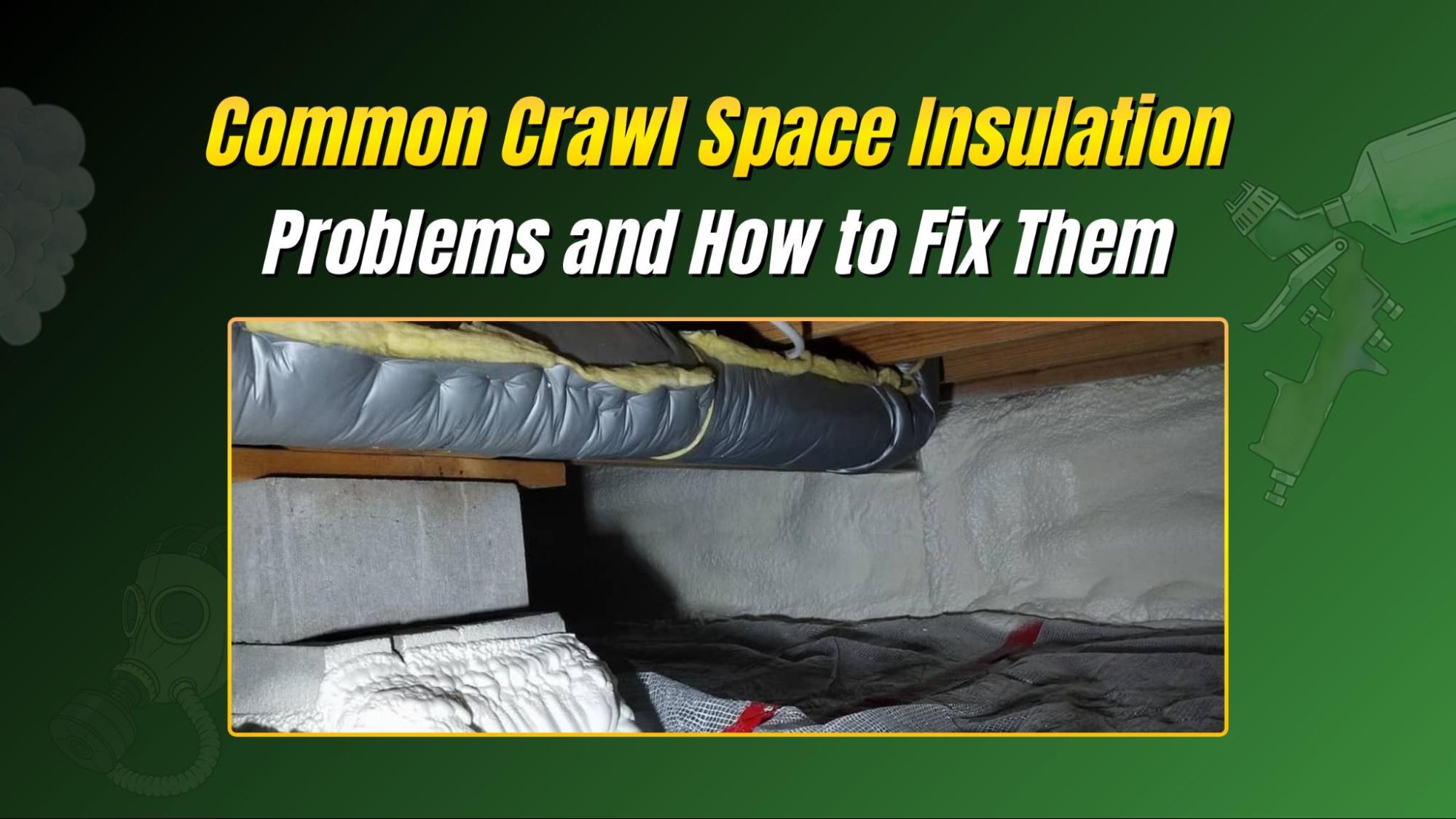
Groundwater, plumbing leaks, and poor drainage are the biggest moisture sources. When insulation becomes wet, it sags and leaves gaps, which create a clear pathway for air. New insulation will get wet again if water continues entering. Repair leaks and improve drainage before installing replacement insulation.
Gaps, Loose Fit, and Rushed Installation
Insulation only works when it touches the surface it protects. Gaps around pipes, rim joists, and vents let outside air slip through. Batts held up by weak wire supports can droop over time. Once insulation sags, cold air reaches the subfloor with ease. Careful installation matters as much as the material you choose.
Pests, Mold, and Contaminated Materials
Mice and other animals often nest inside soft crawl space insulation. Their waste and tunnels leave the material dirty and full of holes. Long-term dampness can also feed mold on wood and insulation. Porous materials with mold may need to be thrown away, says the EPA. Wet, moldy batts may require insulation removal in Kansas before any repair starts. A professional assessment can find hidden damage and guide safe cleanup.
Matching Each Problem to a Practical Fix
This table links common problems to likely causes and next steps.
Problem | Possible Cause | Recommended Next Step |
Wet insulation | Plumbing leaks or groundwater | Find and correct the moisture source before touching the insulation. |
Falling insulation | Failed supports or poor installation | Repair the supports, or replace the damaged materials with new ones. |
Cold floors | Gaps or insufficient insulation | Check insulation coverage first, then seal air leaks where suitable. |
Musty odors | Persistent moisture or possible mold | Investigate the moisture source, then arrange suitable cleanup if mold appears. |
Pest-damaged insulation | Animal activity or entry gaps | Address the pests and entry gaps, then assess the damaged insulation. |
Treat this table as general guidance, not a confirmed diagnosis. Experienced crawl space insulation contractors can confirm which row fits your home. Major water entry must be stopped before any insulation work begins. Call a professional when the source of moisture stays unclear.
Repair, Replace, or Look Closer First?
Not every damaged crawl space needs a full insulation replacement. Limited damage can often be repaired once the cause is fixed. A few fallen batts, for example, may only need new supports.
- Repair: Damage is limited, and the materials are still in good shape.
- Replace: Insulation is badly damaged, soaked through, or contaminated by pests.
- Inspect first: The cause is unclear, or moisture keeps coming back.
Sometimes damaged material must come out before anything new goes in. Professional insulation removal services help clear soiled material without spreading it. Clean, dry framing then gives new insulation a better start. Crawl space insulation contractors can inspect the space before you decide.
Follow this simple order for most crawl space repair jobs.
- Find the moisture source and write down what you see.
- Stop the water by fixing leaks, drainage, or gutter problems first.
- Remove wet, soiled, or contaminated insulation and let the area dry.
- Repair supports and air leaks, then install suitable new insulation.
- Inspect the finished work and recheck after the next heavy rain.
Where Spray Foam Fits, and Where It Does Not
Spray foam can reduce air movement through floors and rim areas. It sticks to the surface and fills small gaps as it expands. Spray foam insulation is one option professionals may consider. Open-cell and closed-cell foam behave differently around moisture in a crawl space. The right choice depends on the building design and moisture exposure. Local building codes also shape which product and method are allowed.
Keep these limits in mind before you choose any foam product.
- Foam cannot repair plumbing leaks, drainage failures, or other water entry problems.
- Active moisture problems and wet surfaces need attention before any installation.
- Careful surface preparation and application still matter a great deal.
- Some jobs need extra moisture control, such as a ground vapor barrier.
- Check ventilation and building code requirements before any work starts.
Foam offers real benefits, yet it will not solve every crawl space problem. Good contractors explain both the strengths and the limits of each material. Ask whether spray foam insulation suits your moisture conditions first.
Keeping Problems From Coming Back
Prevention starts with watching water inside the home and around it.
- Check pipes and drain lines for drips on a regular schedule.
- Point gutters and downspouts well away from the foundation walls.
- Slope soil away from the house so rain drains outward.
- After heavy storms, inspect the crawl space for standing water.
Some homes may benefit from a planned system called crawl space encapsulation. It manages moisture and separates the crawl space from outside conditions. Energy Department research found sealed crawl spaces beat vented ones in most climates. Sealing a crawl space without a plan can still create new problems. Drainage, ventilation, and combustion safety must all be reviewed before sealing. Good plans for home insulation in Central Kansas should include the crawl space too.
How to Judge a Crawl Space Contractor
A good contractor studies the problem before suggesting any product. Reliable crawl space insulation contractors tend to show these habits.
- Real experience with crawl spaces and moisture problems should come first.
- Clear, simple explanations of the proposed work help you follow every step.
- A careful assessment should happen before anyone recommends material removal.
- Insulation choices should suit your building, not one product for every job.
- Written estimates should come with clearly explained recommendations and next steps.
Whichever insulation company Kansas homeowners choose, the plan matters more than the price. The lowest bid may skip moisture checks and proper preparation. Ask what the proposed solution will fix and what it will not. Confirm licenses, insurance, and warranty terms directly with each provider. A thorough plan also considers home insulation beyond the crawl space.
When a Shop or Warehouse Needs a Different Plan
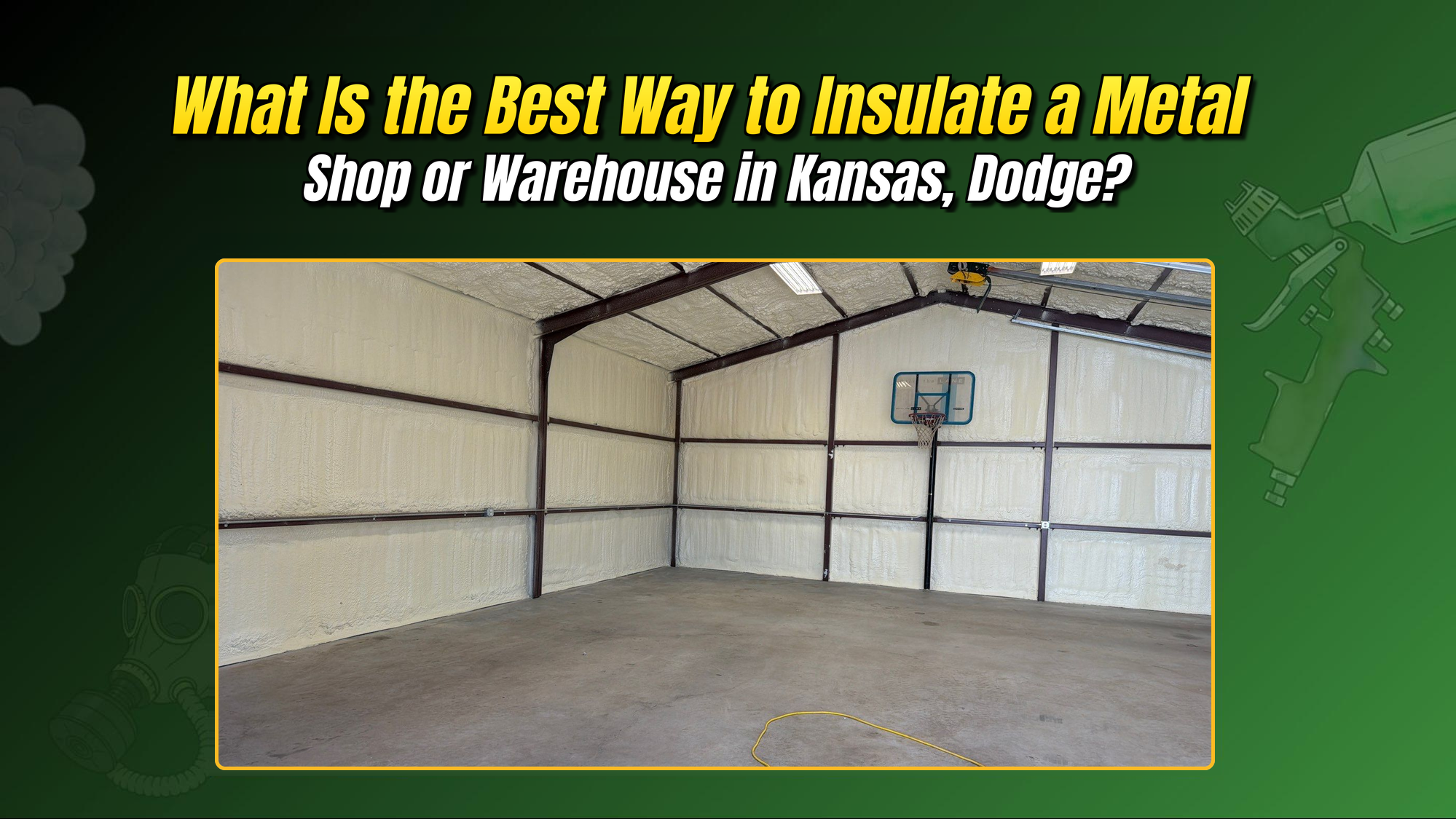
Do you also own a shop, barn, or warehouse nearby? Commercial building insulation in Central Kansas follows different rules than home crawl space work. Large metal roofs and open floor areas change how heat and moisture move. Providers of commercial building insulation should review those details before quoting.
Fix the Cause First, Then Choose the Insulation
Damaged crawl space insulation often points to a deeper problem. Moisture, air leaks, or poor installation may be hiding underneath. Fixing that cause first protects every dollar you spend afterward. Seek professional guidance when damage is widespread or the source is unclear. Trusted crawl space insulation contractors in Kansas will explain options without pressure.
Advanced Seal Spray Foam Insulation offers free on-site inspections for Kansas homeowners with questions. Reach out whenever you want to talk through your crawl space options.