Your upstairs bedroom feels like an oven in July, while your living room floor feels freezing in January. You keep adjusting the thermostat, but some rooms never feel comfortable. Could your home’s insulation be the problem?
Kansas summers can bring intense heat, while winters can get bitterly cold. Most insulation can last for decades if it stays dry and in good condition. But water leaks, pests, and damage can shorten its life. If your home has cold spots, hot rooms, or rising energy bills, your insulation may need attention, but it does not always need replacing.
So, how long does home insulation last in Kansas? It depends on the type of insulation, how well it was installed, and the condition it is in. If your home needs better insulation, Home Spray Foam Insulation Services in Kansas may be worth considering.
This guide explains how long different types of insulation last, what warning signs to look for, and when to repair, add, or replace insulation.
How Long Does Each Type of Insulation Last?
Different types of insulation last for different lengths of time. Some can stay in good shape for decades, while others may need attention sooner. The table below gives a general idea of how long common insulation materials can last.
Insulation Lifespan: Spray Foam vs. Fiberglass and Cellulose
Insulation Type | Estimated Lifespan | What Can Happen Over Time? |
Fiberglass rolls or batts | Around 15 to 20 years in some conditions | Can sag, become compressed, or leave gaps |
Blown-in cellulose | Around 20 to 30 years in some conditions | Can settle, become damp, or lose depth |
Closed-cell spray foam | Can last for several decades when properly installed | Can remain in place for a long time, but damage or poor installation may affect performance |
These are general estimates, not fixed replacement dates. Insulation can last longer or need repairs sooner, depending on its quality, installation, and exposure to moisture or pests.
Before you spend money on new insulation, have the existing material checked. You may only need to fill gaps or add more insulation. Advanced Seal’s home insulation services in Kansas can be a starting point if you want to explore your options.
What Can Damage Home Insulation?
Insulation does not always wear out because it is old. Problems in your home can also affect how well it works. Here are four common causes of insulation damage.
- Water leaks
A leaking roof or pipe can soak insulation. Wet fiberglass may lose its shape, while damp cellulose can settle or become damaged. Fix the leak before adding new insulation.
- Gaps and poor installation
Insulation needs to cover the right areas to work well. Gaps around attic edges, walls, and other spaces can let heat move in or out of your home. Air leaks can make the problem worse. Fiberglass and cellulose slow the movement of heat, but they do not block airflow on their own.
- Mice and other pests
Mice and other rodents can move insulation, make nests, and leave droppings behind. If the material is badly damaged or dirty, it may need to be removed. Deal with the pest problem before installing new insulation. Otherwise, the damage may happen again.
- Settling and compression
Loose-fill insulation, such as blown-in cellulose, can settle over time. Some insulation can also become compressed if people walk on it or heavy items press against it.
What Are the Signs That Your Home Needs Better Insulation?
You may not know how old your insulation is. But you can look for signs that it may not be working well. Watch for these problems:
- Rooms that feel too hot or cold: One room may feel uncomfortable even when the rest of the house feels fine.
- Drafts: You may feel cold air coming through gaps around walls, ceilings, or other parts of your home.
- Higher energy bills: Your heating or cooling costs may rise without a clear reason.
- Gaps in the attic: Some areas may have very little insulation or none at all.
- Water stains or damp insulation: These may point to a roof leak or another moisture problem.
- Signs of pests: Droppings, nests, or disturbed insulation may mean rodents have entered the space.
These signs do not always mean your insulation needs replacing. Leaky ducts, old windows, and heating or cooling problems can cause similar issues. An inspection can help you decide whether you need more insulation, air sealing, repairs, or removal of damaged material.
How to Decide What Your Insulation Needs
You do not always need to remove old insulation to improve your home. The right choice depends on how much coverage your home needs.
When Can You Keep Your Existing Insulation?
You may be able to keep it if the material is dry, clean, and in good shape. It should also cover the right areas without large gaps.
For example, fiberglass in an attic may still work well even after many years. If it has not been damaged by water or pests, replacing it may be unnecessary.
You may get better results by sealing air leaks or adding insulation where coverage is low.
When Should You Add More Insulation?
Adding more insulation may be enough if the existing material is still in good condition but does not provide enough coverage.
Blown-in insulation in Kansas can be a good choice for many attics. It can cover uneven areas and reach spaces that are difficult to fill with other materials.
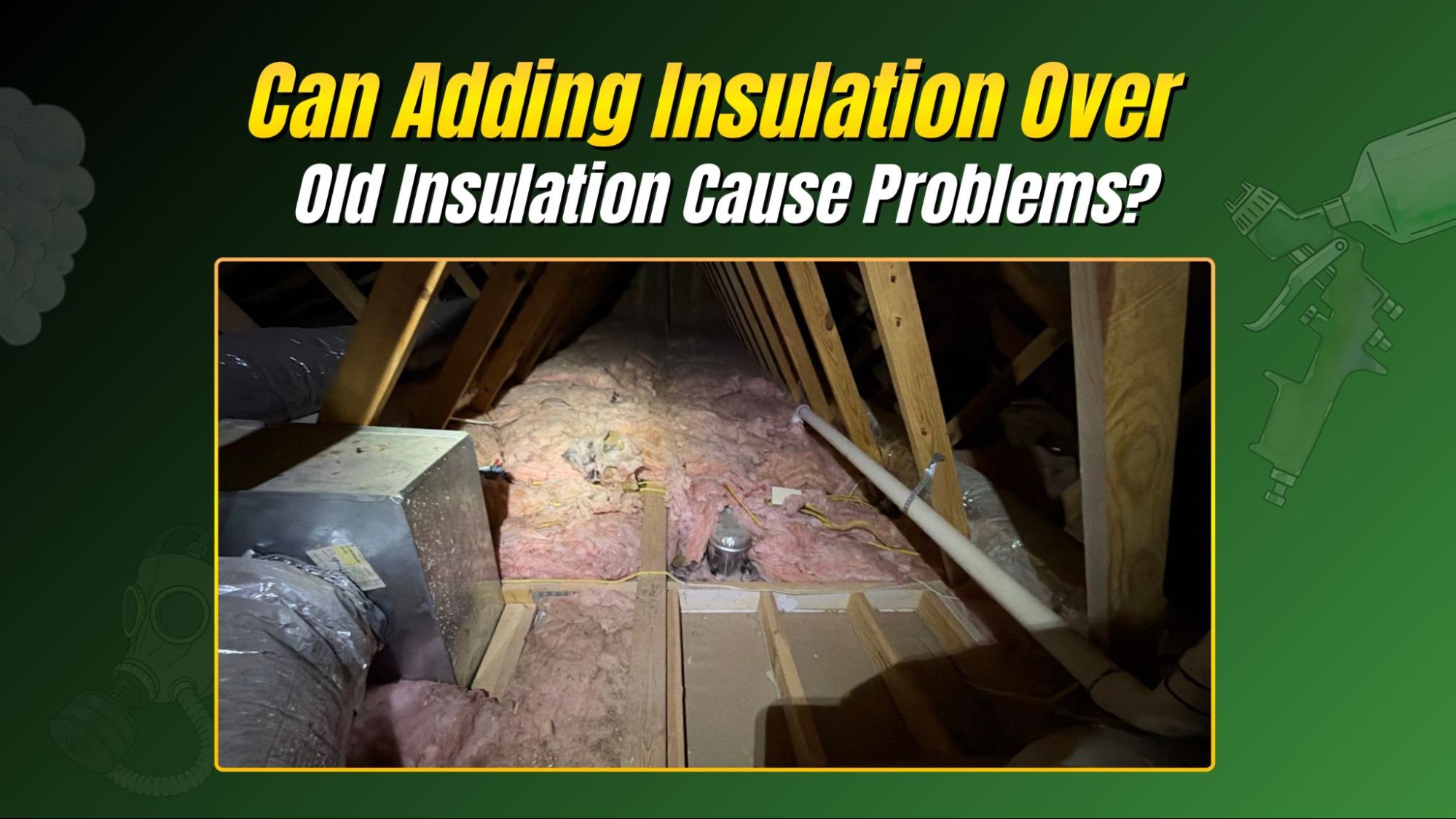
In some homes, new blown-in insulation can go over the existing layer. The old material should be checked first to make sure it is dry, clean, and suitable to keep.
Do not cover up a roof leak or damaged insulation. Fix the problem before adding more material.
When Does Old Insulation Need to Be Removed?
Sometimes, keeping the old material is not a good option. Removal may be needed if insulation is badly damaged, wet, or contaminated by rodents.
For example, an attic with heavy rodent damage may need cleaning and insulation removal before new material can be installed.
Insulation removal and replacement may be necessary when the existing material is no longer suitable to keep. A contractor can inspect the area, explain what needs to come out, and help prepare the space for new insulation.
The goal is simple: keep insulation that still works and remove material that cannot do its job properly.
Can Better Insulation Lower Your Energy Bills?
Good insulation helps keep heat inside your home during winter and slows outdoor heat from entering during summer. This can make your rooms more comfortable and reduce the work your heating and cooling system has to do.
Air sealing is important, too. Small gaps around the home can let heated or cooled air escape.
The U.S. Department of Energy estimates that homeowners can save an average of up to 15% on heating and cooling costs by combining air sealing with insulation improvements in key areas of the home. Your actual savings may be lower or higher, depending on your home’s current condition and the work needed.
Better insulation will not fix every energy problem, though. Leaky ducts, old windows, dirty filters, and faulty heating or cooling equipment can also raise your bills.
If your energy costs keep rising, look at the whole picture before deciding that insulation is the only problem.
Which Insulation Is Right for Your Home?
The best choice depends on where the insulation is going and what you want it to do.
Spray foam can insulate an area and help stop air leaks when it is installed correctly. It may suit parts of your home where both insulation and air sealing are needed.
Blown-in insulation is often used in attics. It can cover uneven spaces and may be a good option when the existing insulation is in good shape but needs more depth.
Fiberglass batts can work well between wall studs, floor joists, and other framed spaces. They need to fit properly, without gaps or compression.
If you need home insulation in Central Kansas, ask a contractor to check your current insulation before recommending a material. The right option depends on your home’s condition, the space being insulated, and your budget.
How Do You Choose an Insulation Company in Kansas?
Before hiring a contractor, ask a few simple questions. Their answers can help you understand the work and avoid paying for services you may not need.
- Will you check my existing insulation first? A contractor should look for gaps, moisture, and damage before suggesting a replacement.
- Do I need to remove the old insulation? Ask why removal is necessary and whether any of the existing material can stay.
- Which insulation do you recommend? The contractor should explain why that material suits your home.
- Will you check for air leaks and moisture? Adding insulation may not solve these problems on its own.
- What is included in the price? Ask whether the estimate covers preparation, removal, installation, and cleanup.
When comparing an insulation company Kansas homeowners can hire, do not choose based on price alone. Check what each estimate includes and whether the contractor has explained the work clearly.
If your attic is the main concern, attic insulation contractors in Kansas should be able to tell you whether the current insulation needs repair, more coverage, or full replacement.
Advanced Seal Spray Foam Insulation serves homeowners and property owners in Wichita and Central Kansas.
Don’t Let Poor Insulation Cost You More
Every season you spend fighting hot rooms, cold floors, and rising energy bills is another chance to spend money without fixing the real problem. Waiting can also allow moisture or pest damage to get worse.
You don’t have to guess whether your insulation needs replacing. Get it checked before another season puts it to the test.
Advanced Seal can help you find the right solution for your home. Explore our Home Spray Foam Insulation Services in Kansas and get an estimate based on your home’s needs.